From Execution to Influence: Design at EO
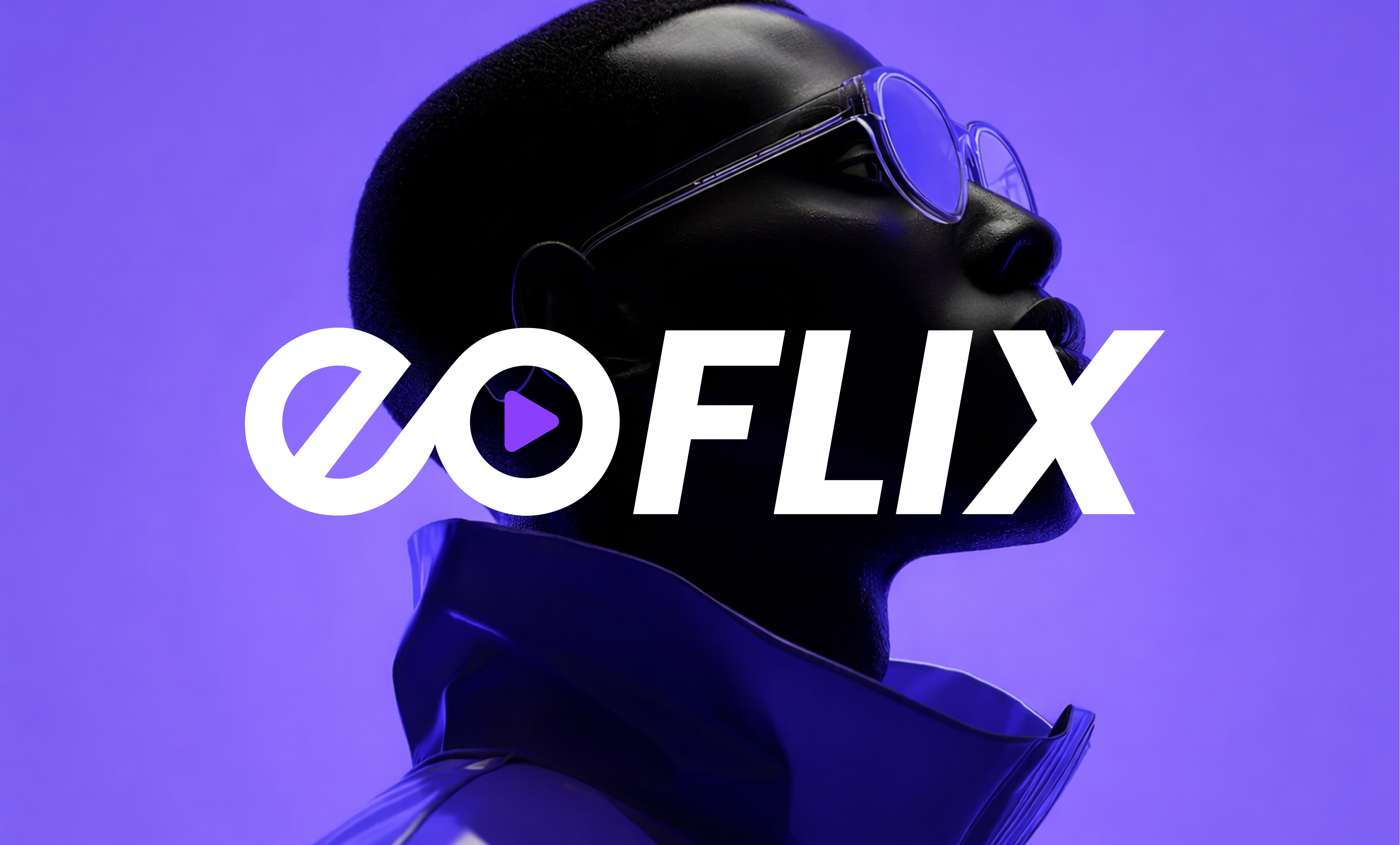
Role
Lead Product Designer
Impacts
Rebuilt EO's brand and product experience to support scalability, improve user trust, and align XFN workflows.
Time
2025
Context
A Growing Platform in the Film Industry
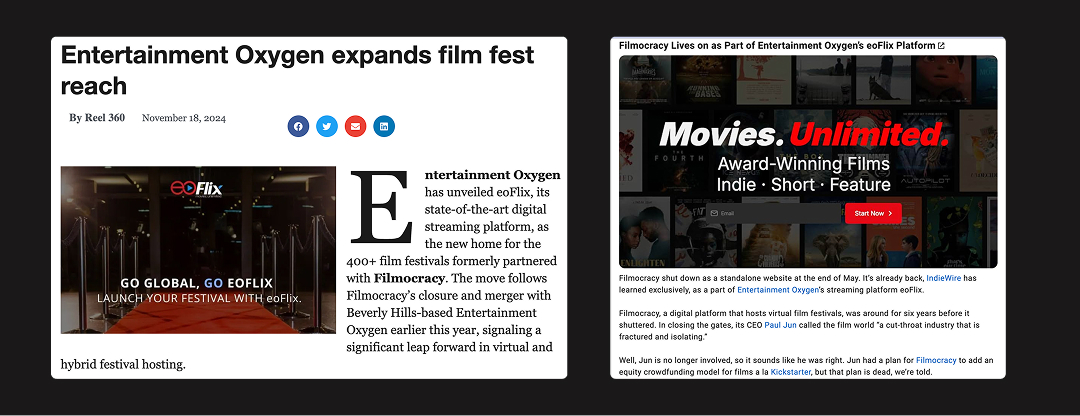
Entertainment Oxygen (EO) is a digital platform founded in 2022, providing online services for the film industry, including festival management, film distribution, and creator support. Before I joined, the platform had already been operating for some time, serving filmmakers and festival organizers. While the core business was functional and growing, the product and brand foundation had not been systematically designed to scale.
The problem
Scaling Pressure Exposed Gaps in Brand & Experience
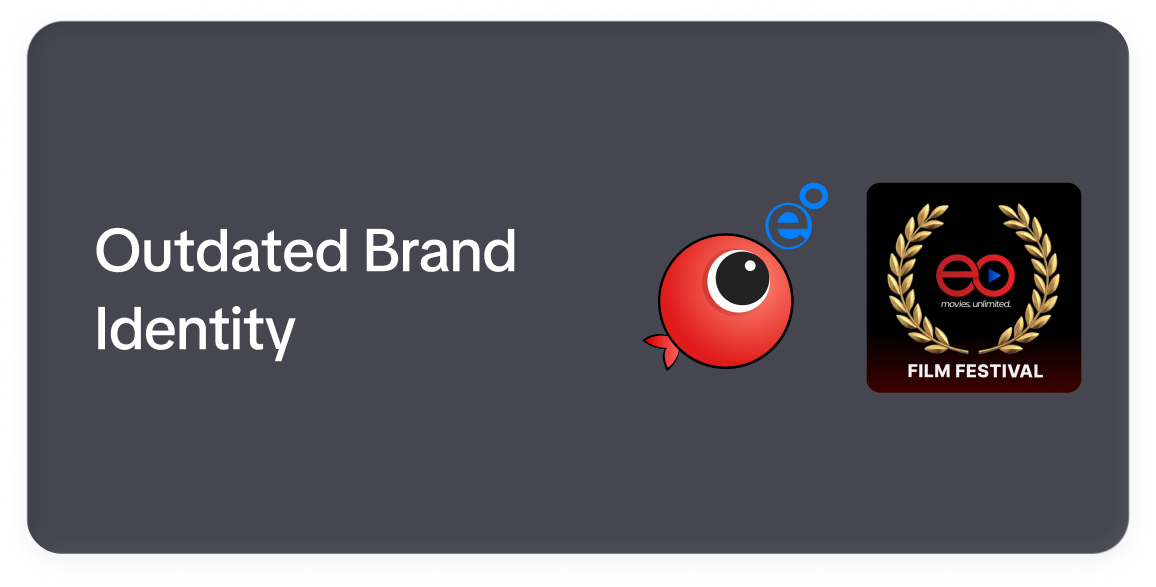
As competition in the film platform space intensified, EO began to face increasing pressure—not only in terms of product capability, but also in how it presented itself as a brand. The lack of a cohesive design system, polished user experience, and structured workflow started to impact both user perception and internal efficiency, making it harder for EO to compete and scale effectively.
Defining the Brand Identity
Unifying EO's Ecosystem Under One Visual System
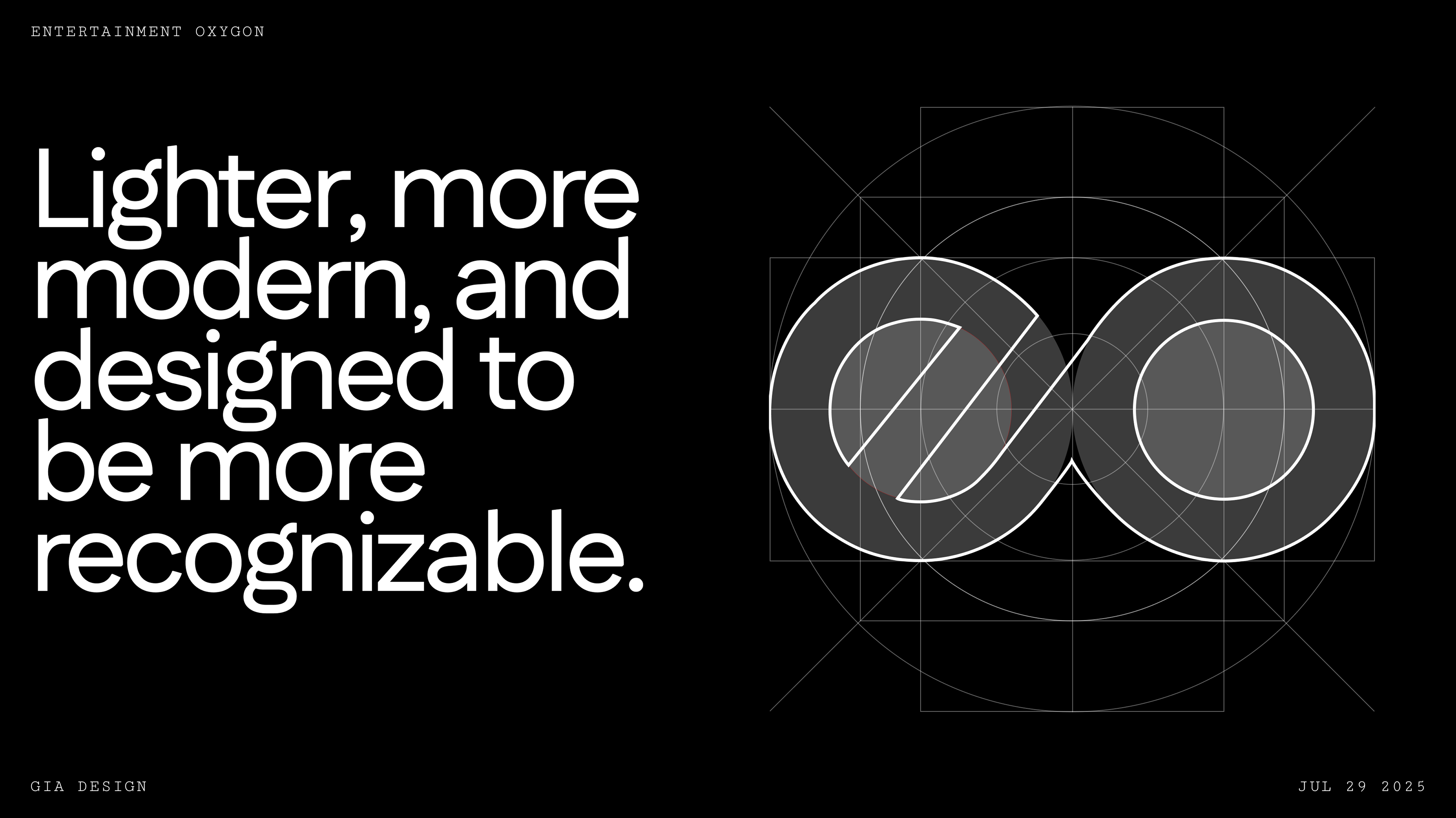
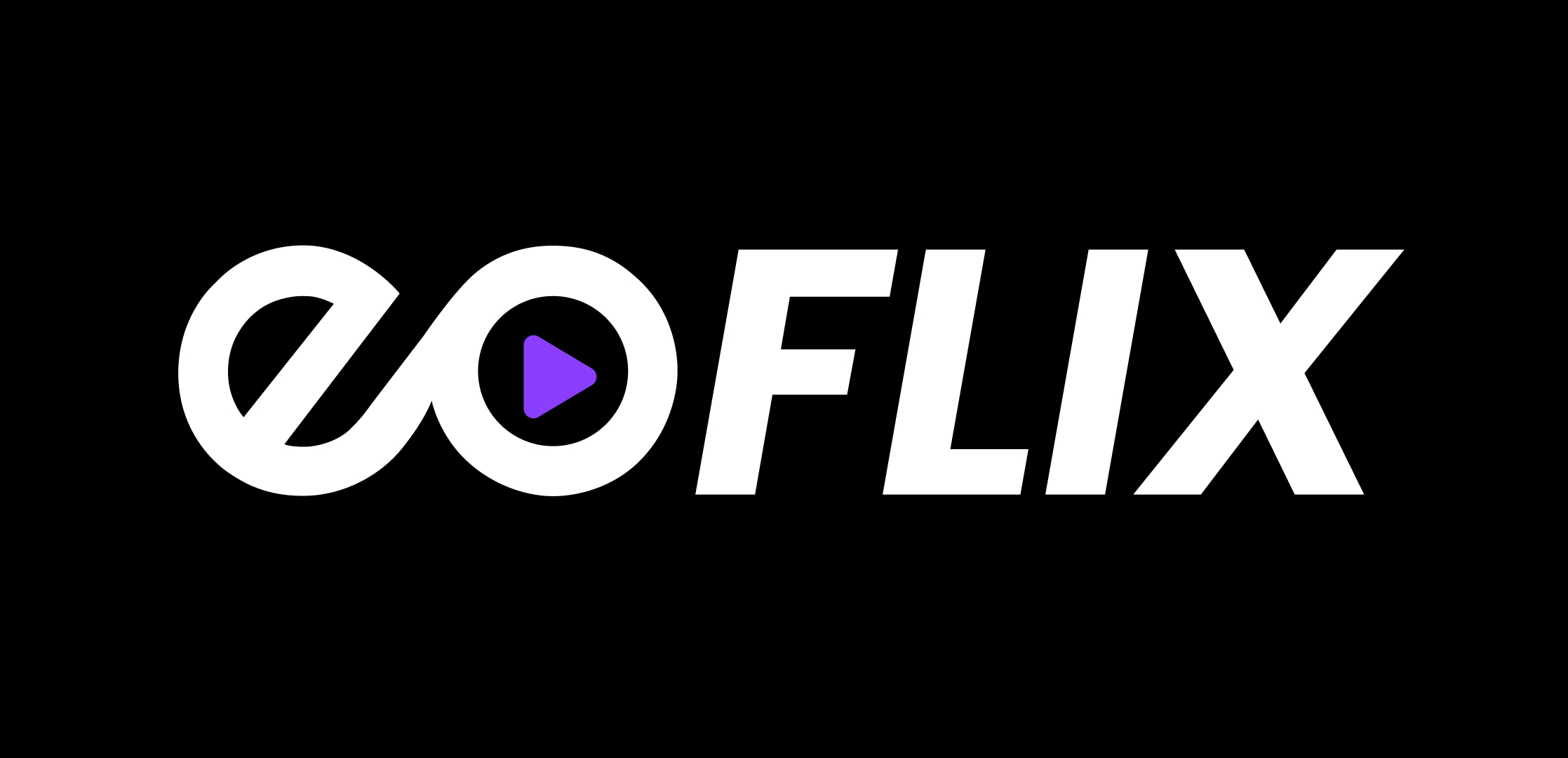
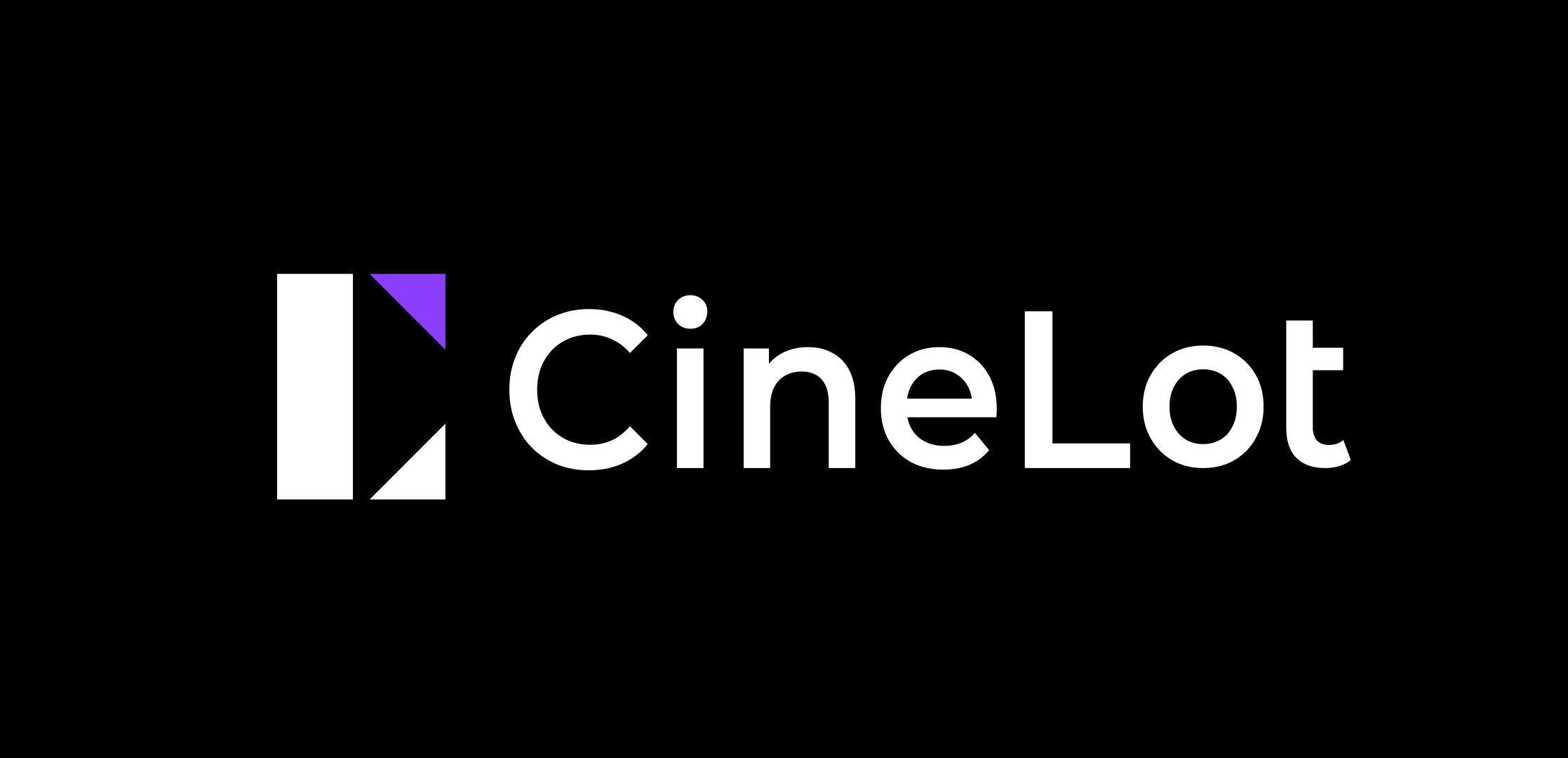
EO includes two core products—eoFlix (film viewing & creator platform) and CineLot (festival B2B platform). I defined a unified brand direction and redesigned the logo system to create a consistent and scalable identity across both.
Building the product experience
Creating a Cohesive Interface
Based on the new brand, I redesigned key product pages to improve clarity and consistency. This resulted in a more polished experience and a stronger sense of product trust.

Outcome & Reflection
A stronger foundation for EO to scale
The work established a clearer brand system and more consistent product experience across EO's ecosystem—giving the team a shared visual language and a stronger foundation for future growth.


MORE
PROJECTS
