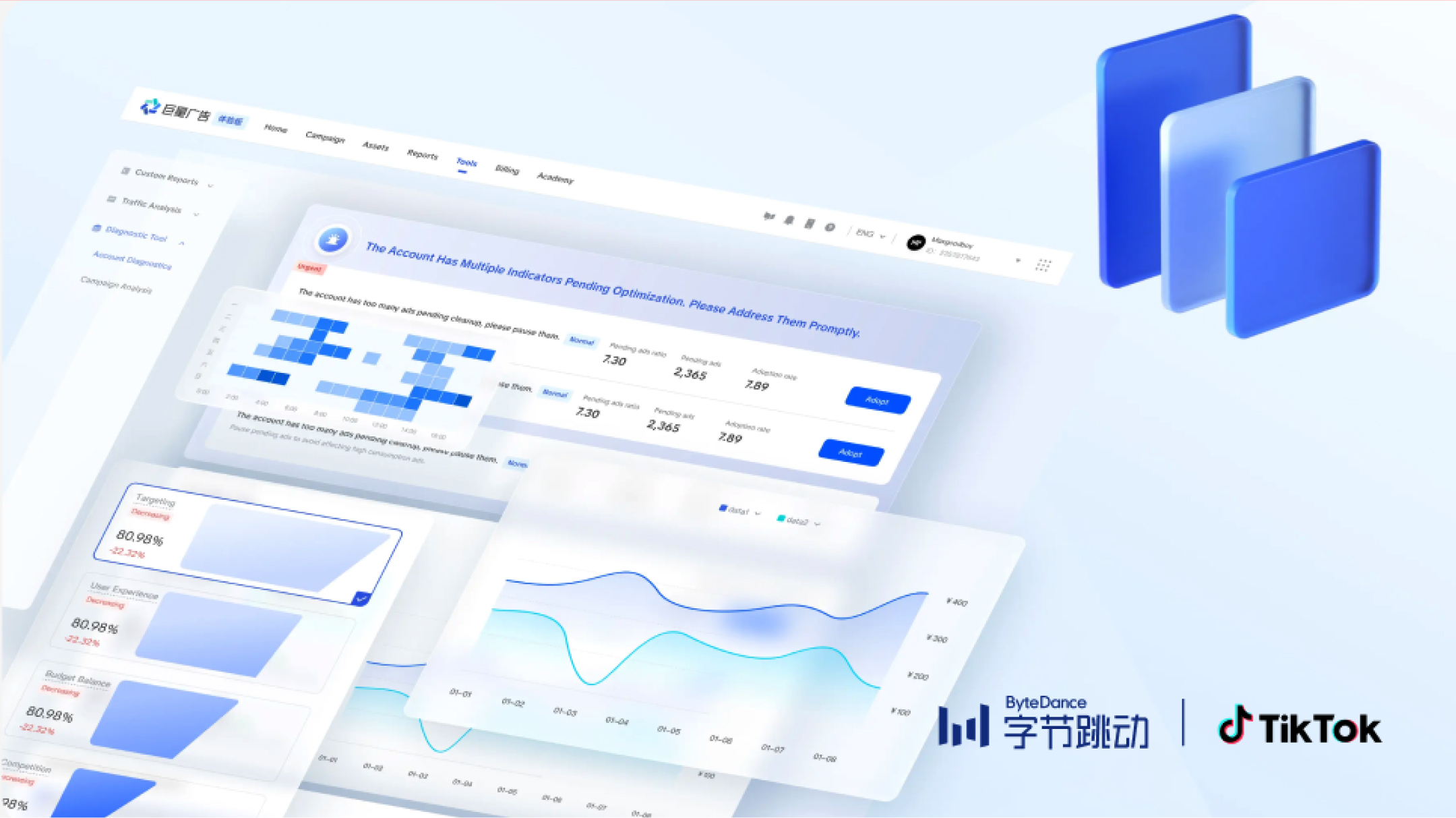
ADS PLATFORM DIAGNOSTIC TOOL OPTIMIZATION

TIKTOK MONETIZATION

Ads Diagnostic Tool

Background

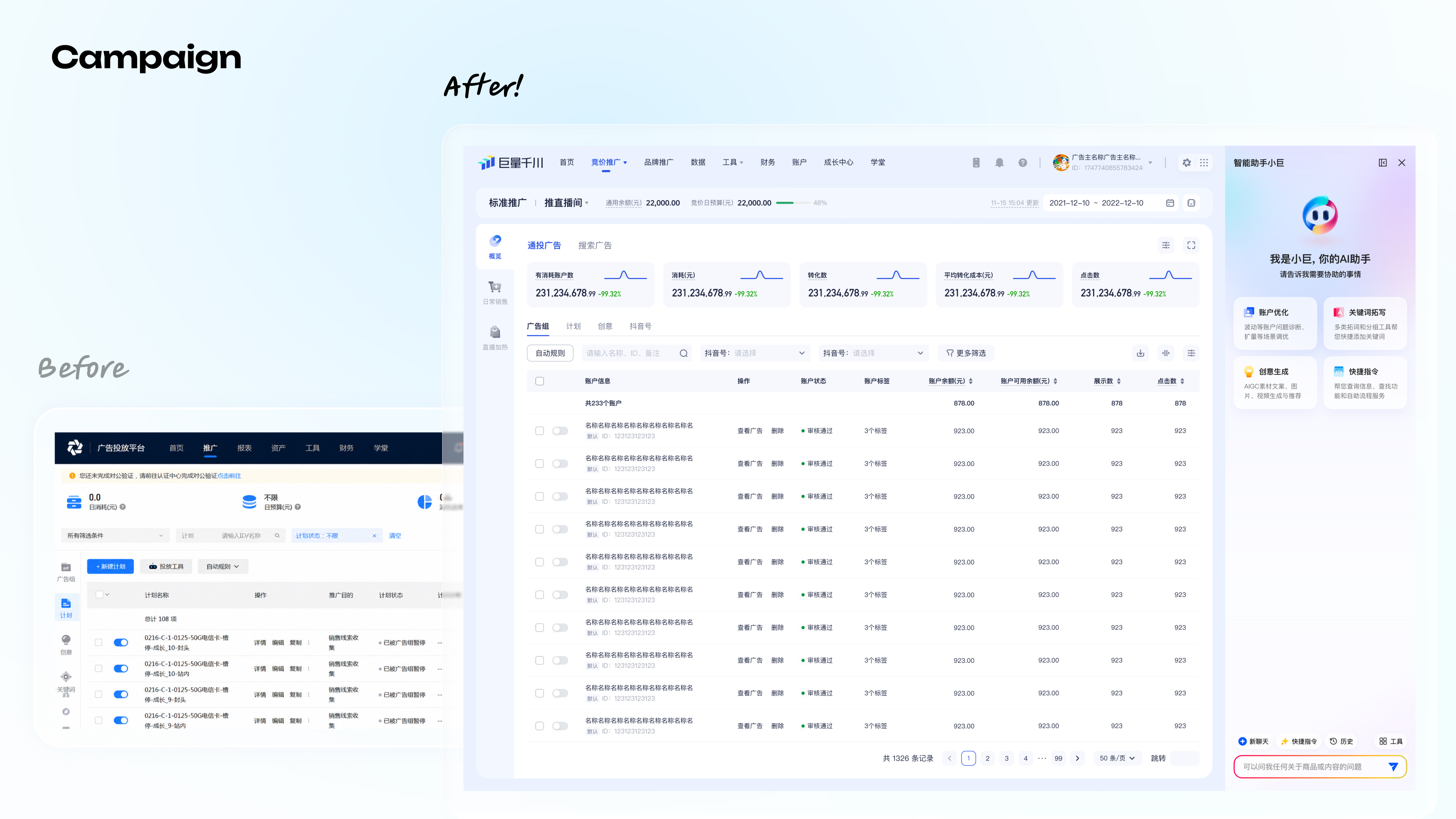
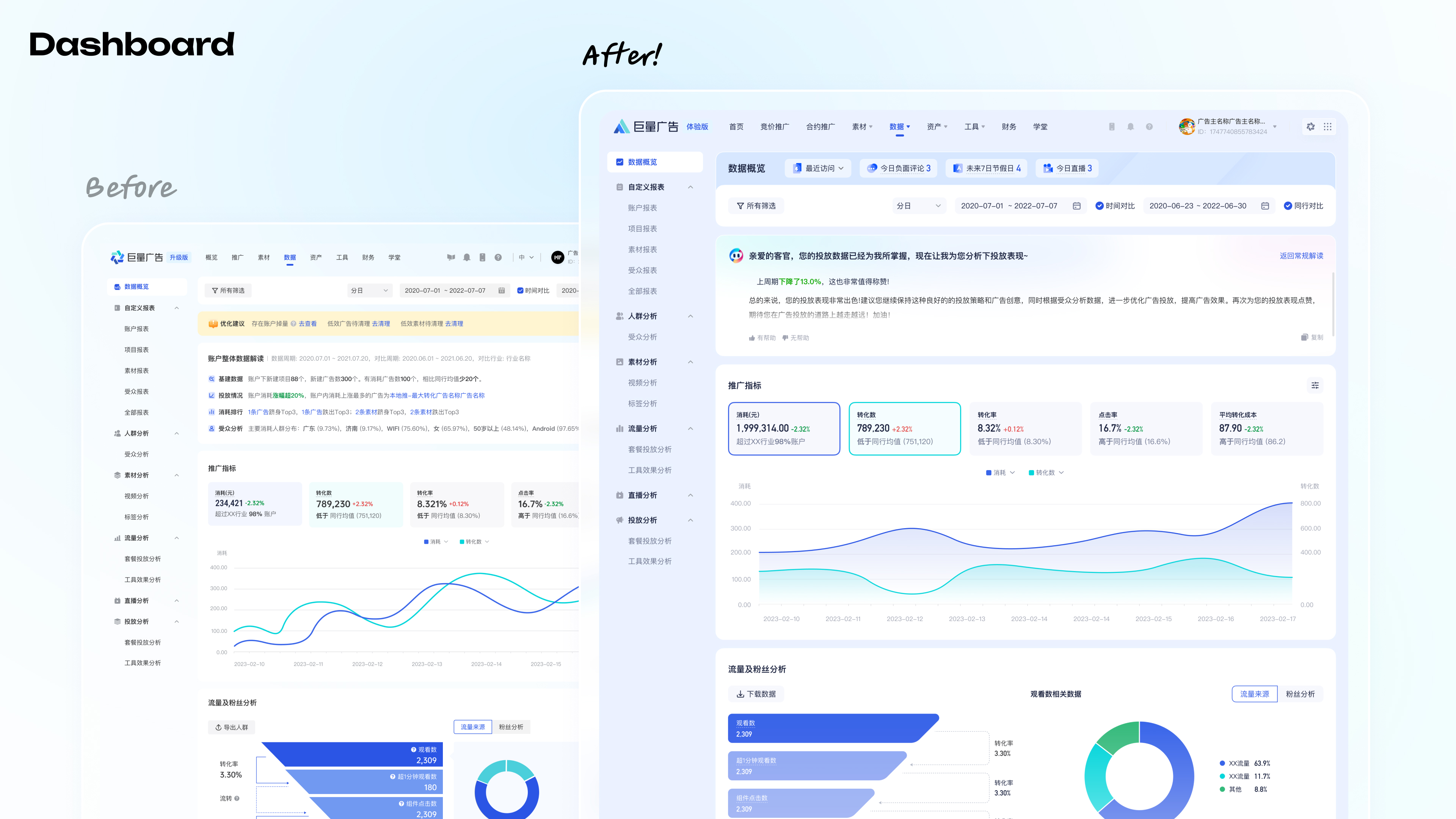
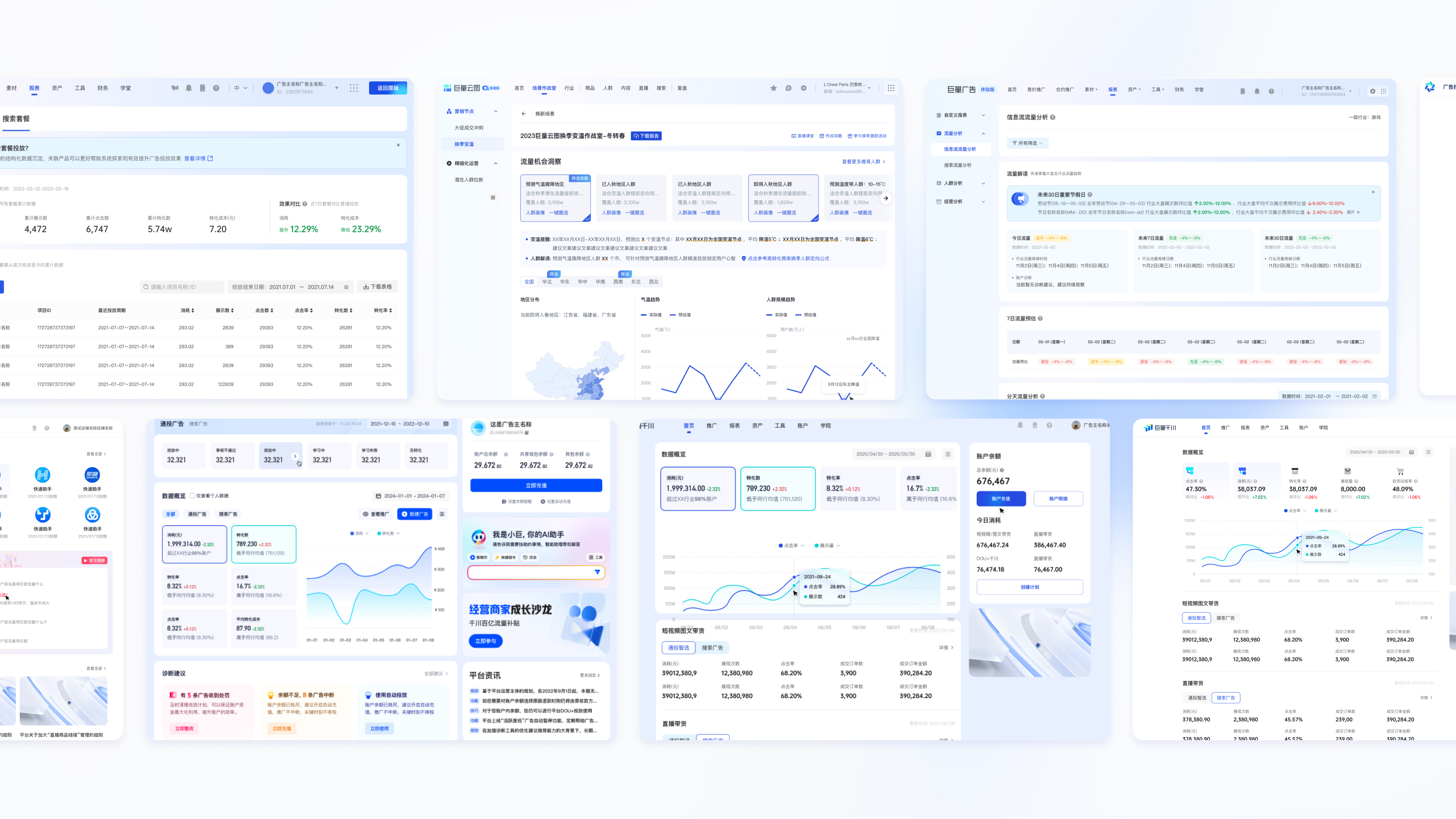
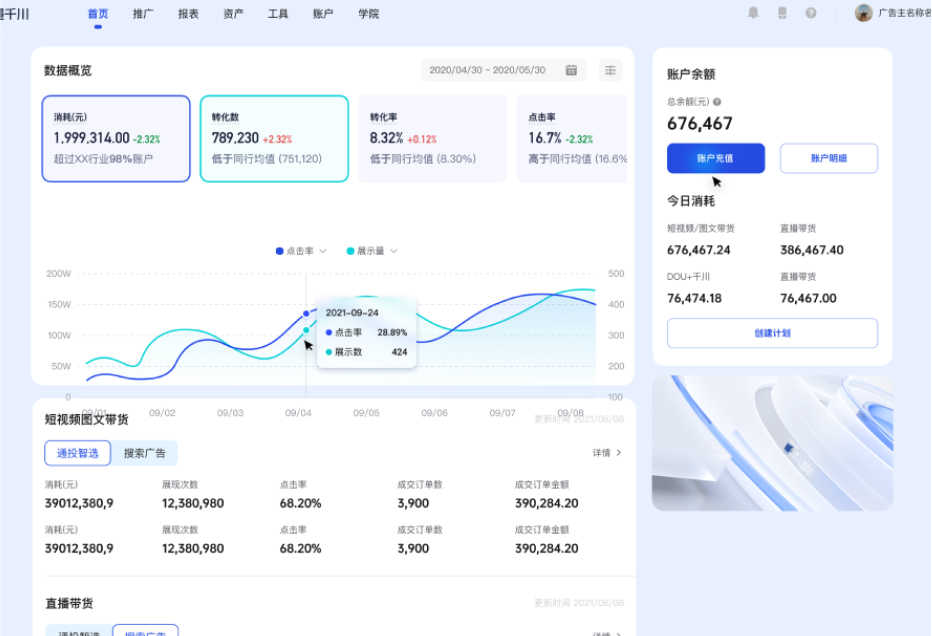
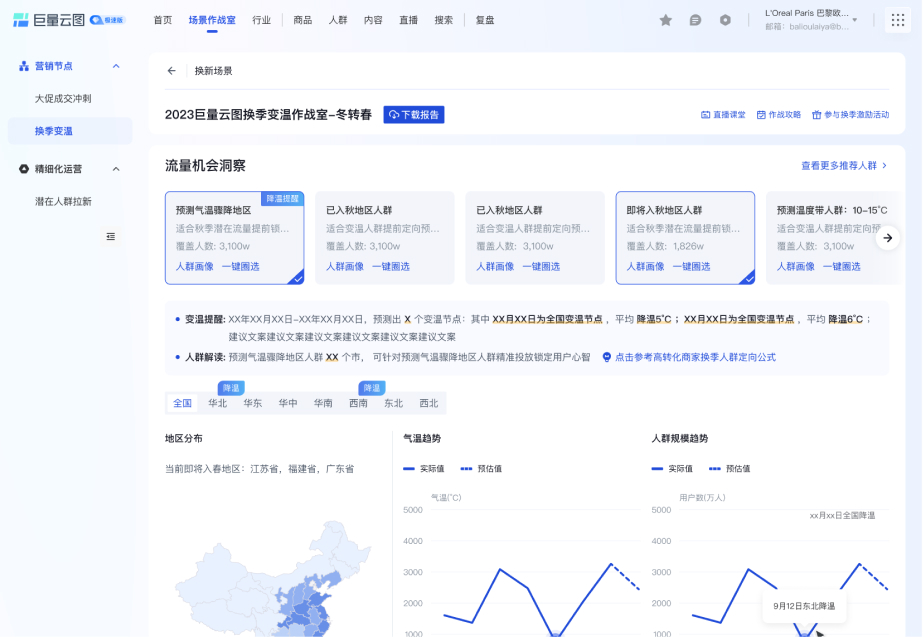
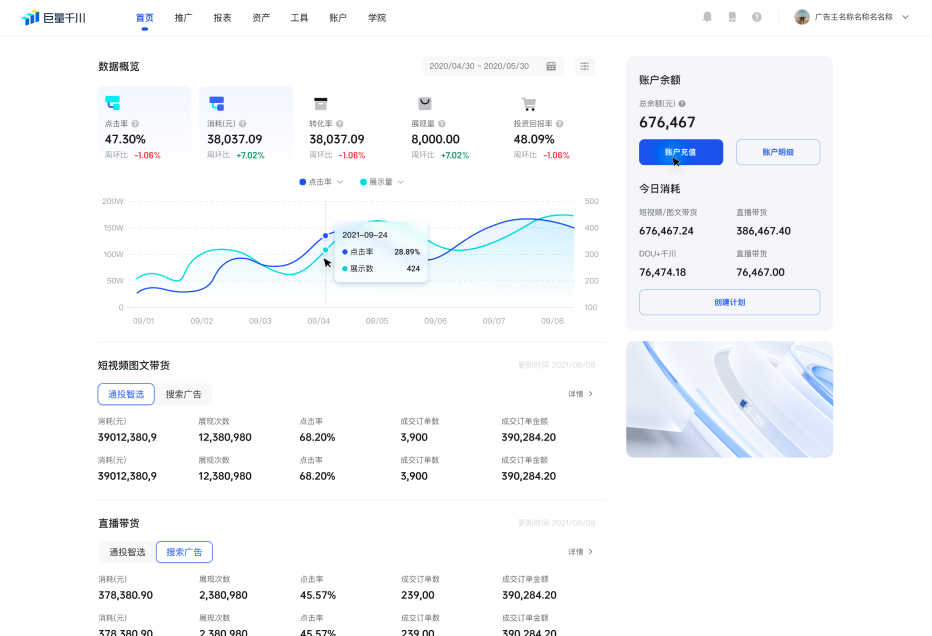
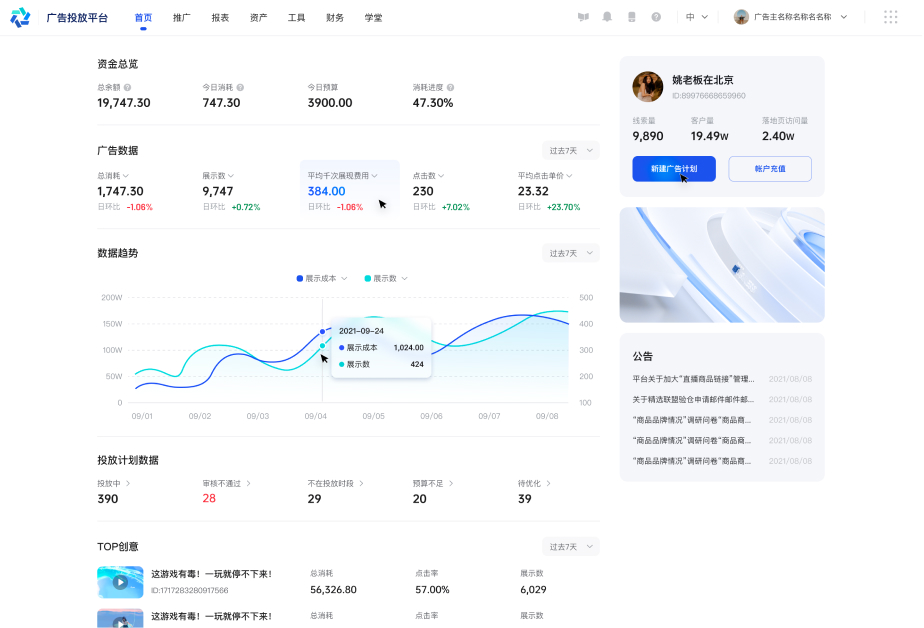
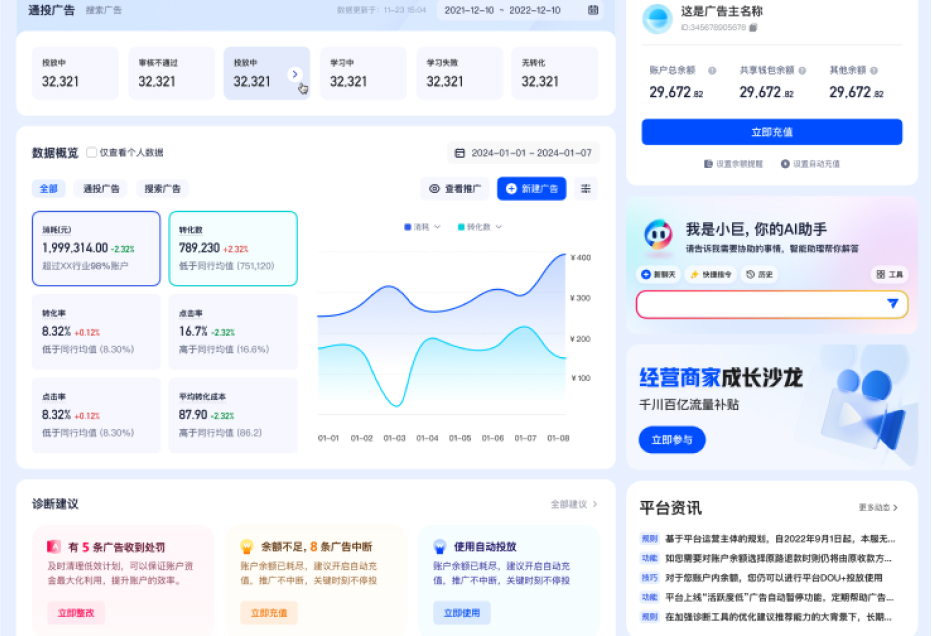
Ocean Engine is an ads platform for Douyin and other ByteDance products, available only in mainland China. You can find the platform here: https://www.oceanengine.com/. Compared to DOU+, which is another advertising product, Ocean Engine is a more professional B2B tool that supports features such as dashboards and advertisement list management. There is also a video that explains what we are working on for this product: https://youtu.be/UKgKZhXHwTw.

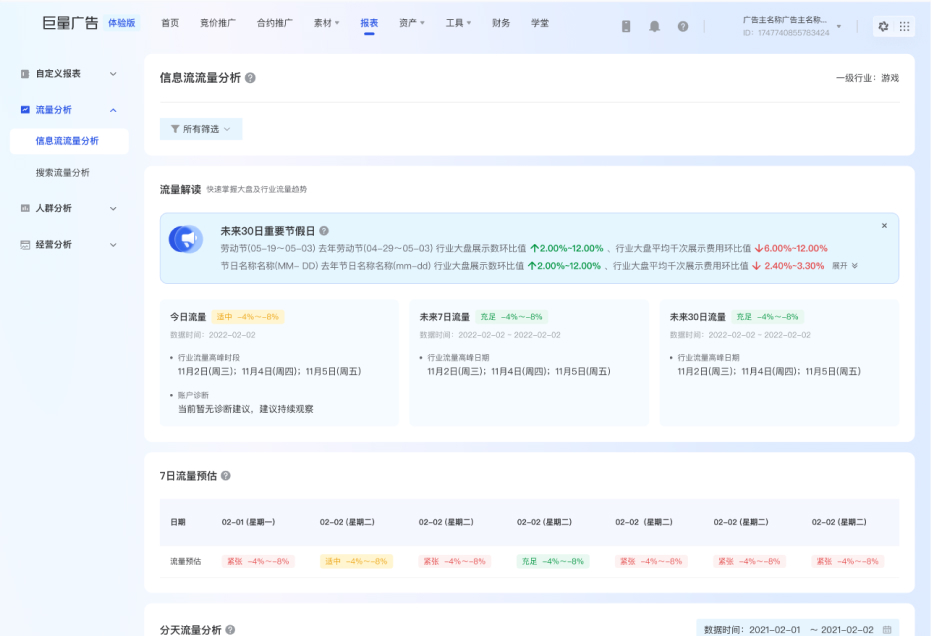
When an advertisement is running, it may encounter various issues that lead to poor performance, such as insufficient exposure or unsatisfactory conversion results. The diagnostic tool is designed to help users identify these advertising problems and provide suggestions for adjustment. Currently, the product team's main goal for this diagnostic tool is to increase the product's usage frequency.

Research Process

To conduct an in-depth exploration of user problems, we carried out qualitative research with a total of 10 customers, including 4 small and medium-sized businesses and 7 large enterprises. Their industries varied widely, covering photography, communication agencies, building materials and home decoration, gaming, and education. Through this research, we aimed to understand three key aspects: the pain points users experience when using the current diagnostic content in order to optimize existing features; how users independently judge advertising placement issues to identify opportunities for incremental features; and the overall effectiveness of the current diagnostic workflow.

Research Process

Based on this research, I developed a comprehensive understanding of users' experiences with the diagnostic tool and summarized the findings using a User Journey Map. By structuring insights through "Stage – Scene – User Path," I mapped how users currently evaluate their advertising performance. I also differentiated existing features from potential incremental features by comparing "Actions using the tool" and "Actions without the tool," and identified detailed user pain points throughout the process. These issues ultimately fall into three core categories: "Hard to Understand", "Lack of Trust", and "Too Many Disruptions". At the same time, this research provided clear directions and ideas for future optimization.

User Journey Map

Solution

Before

Before, users often found the page hard to understand. Seeing a large number of diagnostic suggestions led to confusion and anxiety—some assumed that having many recommendations meant their account performance was poor, while others weren't sure whether every suggestion required immediate action.

After

After, we reframed the experience by first evaluating overall account health and clearly visualizing it with color-coded status indicators, allowing users to understand their situation at a glance. Recommendations were then organized by priority and labeled as either issues that are already impacting performance or opportunities that could potentially improve results, helping users make informed decisions about which actions to take.

Solution - Account health visualization

Before

Before, users lacked trust in the diagnostic results. Being presented with recommendations alone raised skepticism—users questioned how the conclusions were derived and why they should trust the suggestions. Even when they knew their performance was underperforming, they struggled to pinpoint where the real issues were.

Solution - Trust buildingSolution - Detailed insights

Result

Project Result